Nextcloud: File hosting, office suite, and calendar[cite: 227].
Case Study | Submitted Nov 25th, 2023
Home Labs: Self-Hosted Digital Ecosystem
Self-Hosted Cloud Storage, Media, Ad Blocking, and Code Development [cite: 15, 12]
Abstract & Motivation
The rise of self-hosted home labs is a compelling response to growing concerns about data privacy, personalization, and control in the digital age[cite: 532, 533]. This project presents a methodology for setting up a self-hosted ecosystem, integrating essential services to give the user total control over their data and digital experience[cite: 26, 535].
The integrated system includes Cloud Storage, a Torrent Client, a Media Server, a Network-Wide Ad-Blocker, and a Code Development Server[cite: 37].
Technology & Architecture
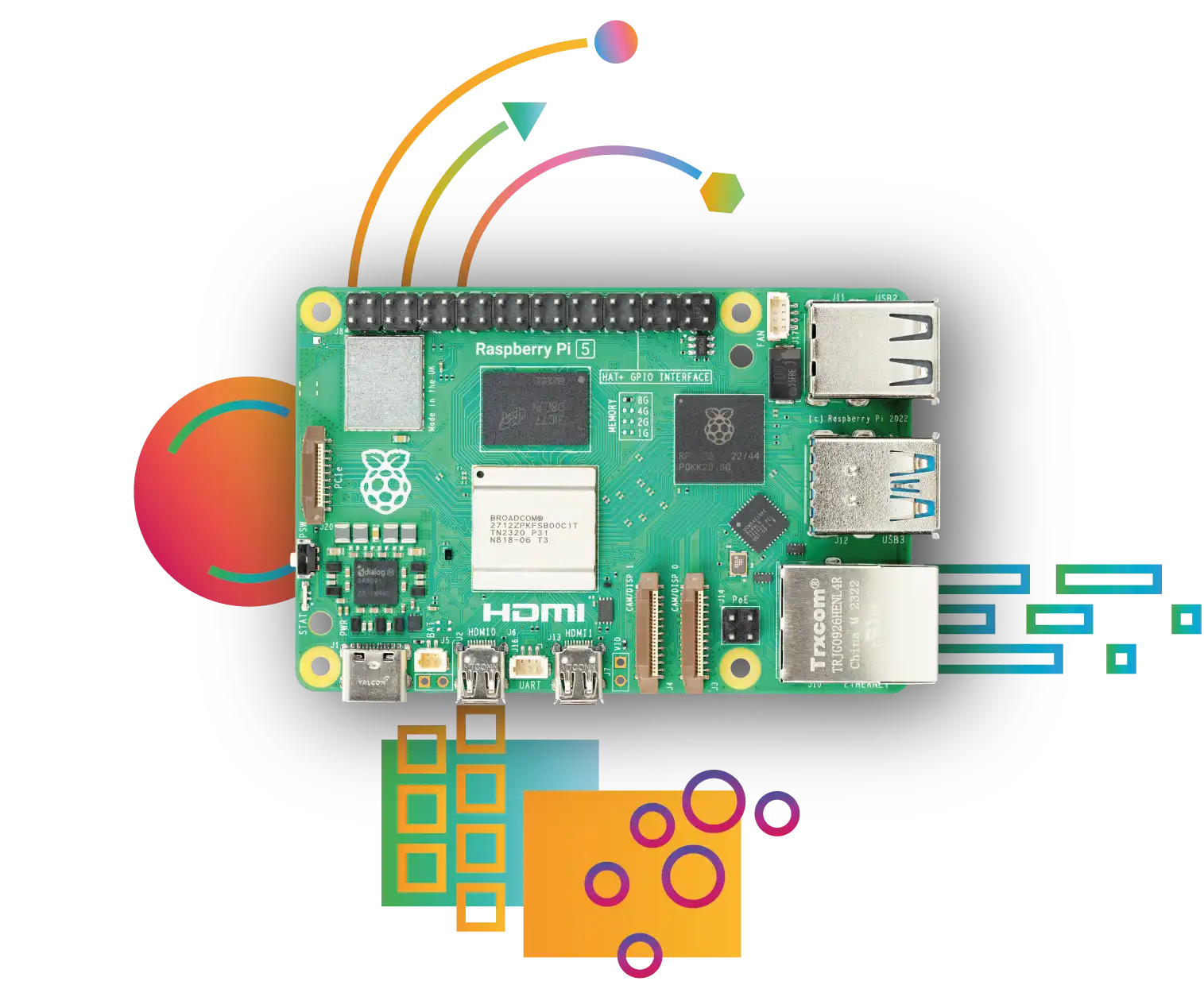
The Raspberry Pi 5 Single Board Computer [cite: 12]
Hardware & OS Foundation
- SBC: Raspberry Pi 5 (chosen for its cost, power-efficiency, and performance)[cite: 49, 388, 389].
- CPU: Broadcom BCM2712 2.4GHz quad-core 64-bit Arm Cortex-A76[cite: 67].
- OS: Raspberry Pi OS Lite (64-bit) (Linux ARM-64 Based)[cite: 77].
- Access: Server is accessed headless using SSH (Secure Shell) to conserve resources[cite: 391, 393].
Core Software Stack
- Virtualization: Docker (uses OS-level virtualization to deliver software in isolated containers)[cite: 397].
- Management UI: Portainer (lightweight management tool for Docker environments)[cite: 398].
- Web/DB: Apache2 (Web Server) [cite: 403] , PHP, and MariaDB (Database Server)[cite: 82].
- Security: Twingate (docker image) for secure, private remote access[cite: 401, 402].
Integrated Services & Applications
Cloud & Development
Code Server: Run VSCode in the browser remotely[cite: 451].
Media & Networking
Jellyfin: Free software media server for streaming[cite: 446].
Pi-hole: Network-wide DNS-based ad and tracker blocker[cite: 314].
Qbittorrent: Torrent client for file downloading[cite: 305].
Performance & Metrics
Database Comparison (Memory)
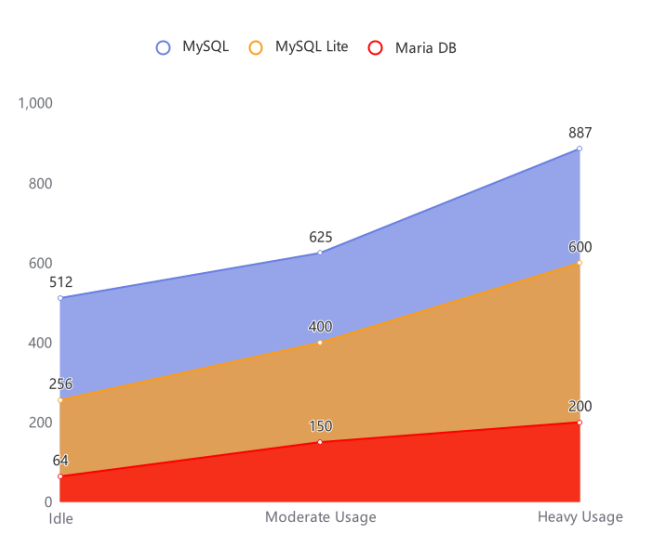
- Result: MariaDB consumed the least amount of memory across all use cases (Idle, Moderate, Heavy)[cite: 471].
- Heavy Usage: MariaDB used 200 memory units compared to MySQL's 887 , confirming its choice for performance-focused home labs[cite: 471, 486, 482].
Server Stress Testing
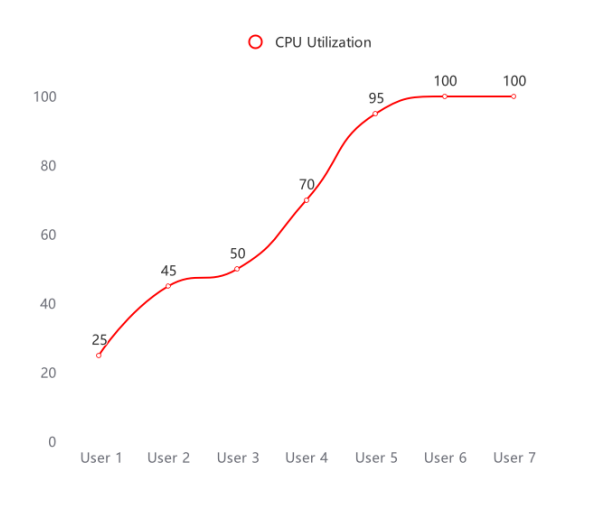
- Jellyfin Load: The server successfully handled 7 simultaneous users streaming media[cite: 524]. Stream lag occurred upon the 8th user connection[cite: 525, 526].
- Ad Blocker Benefit: Pi-hole reduces bandwidth usage and data consumption by preventing unwanted traffic, improving overall network performance[cite: 443, 444].